Shoá Monument
Industrial Design
Client
Ministry of Culture of the Nation
Service
Industrial Design
Year
2014
Diseño & Desarrollo de proceso productivo para la transferencia de objetos al hormigón.
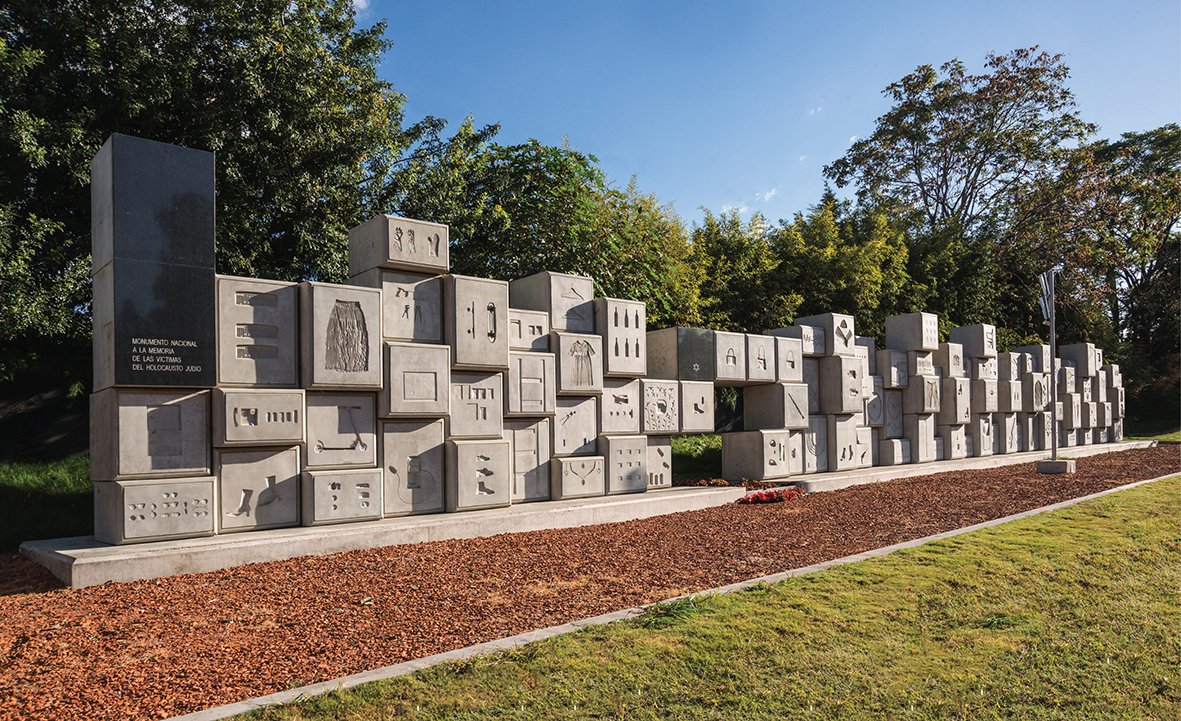
Proyecto de los arquitectos Gustavo Nielsen y Sebastián Marsiglia en conmemoración a las víctimas del Holocausto Judío emplazado en la intersección de Av. del Libertador y Av. Bullrich.
En el año 2009 se llevó a cabo un concurso internacional impulsado por las embajadas de Israel y Alemania, el Museo de la Shoá, el Gobierno Nacional y el Gobierno de la Ciudad de Buenos Aires resultando el proyecto de Nielsen y Marsiglia ganador entre 70 proyectos.
En el año 2014 se inició la obra del monumento y se conformó un equipo de trabajo conformado por arquitectos y diseñadores industriales.
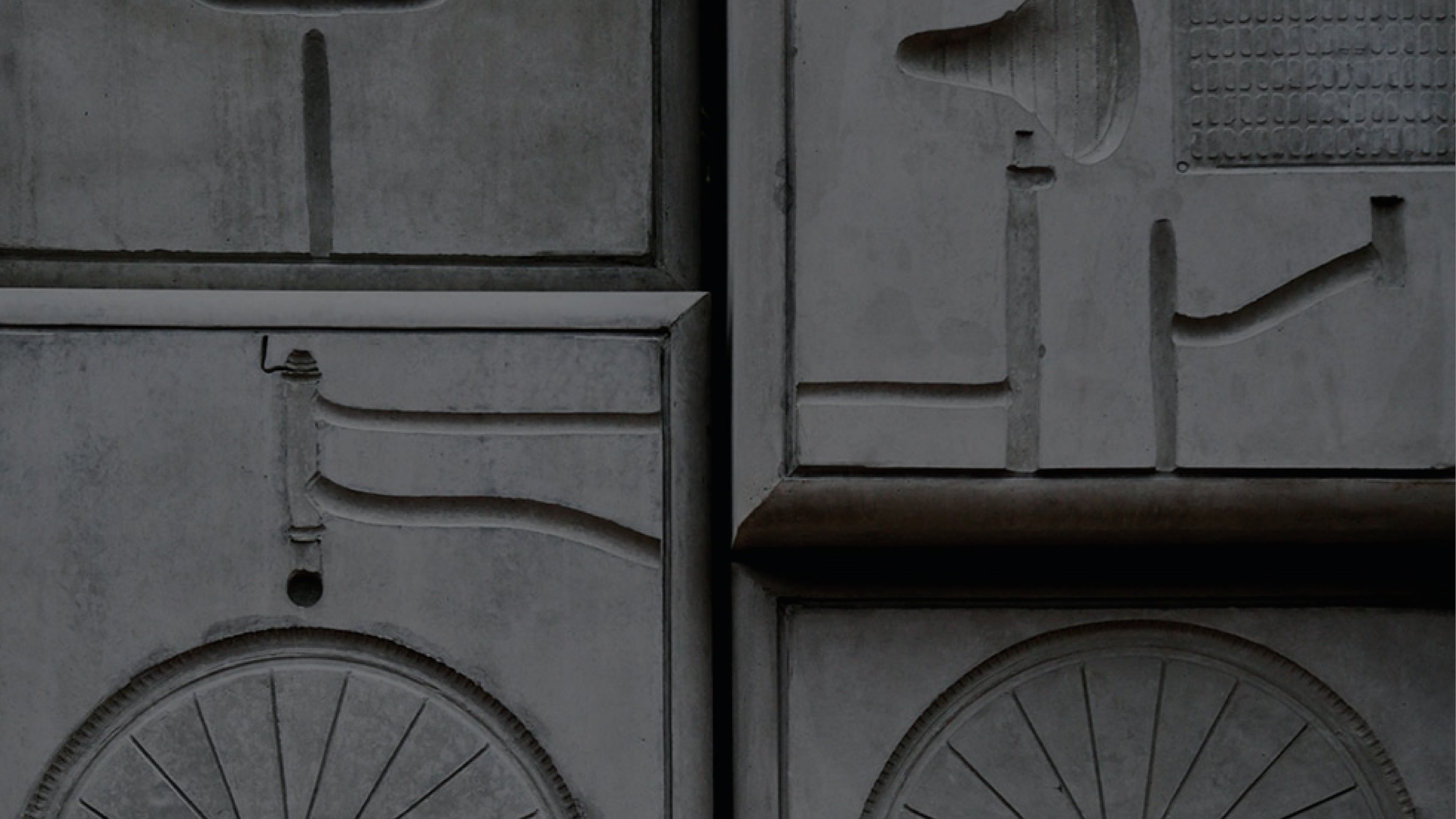
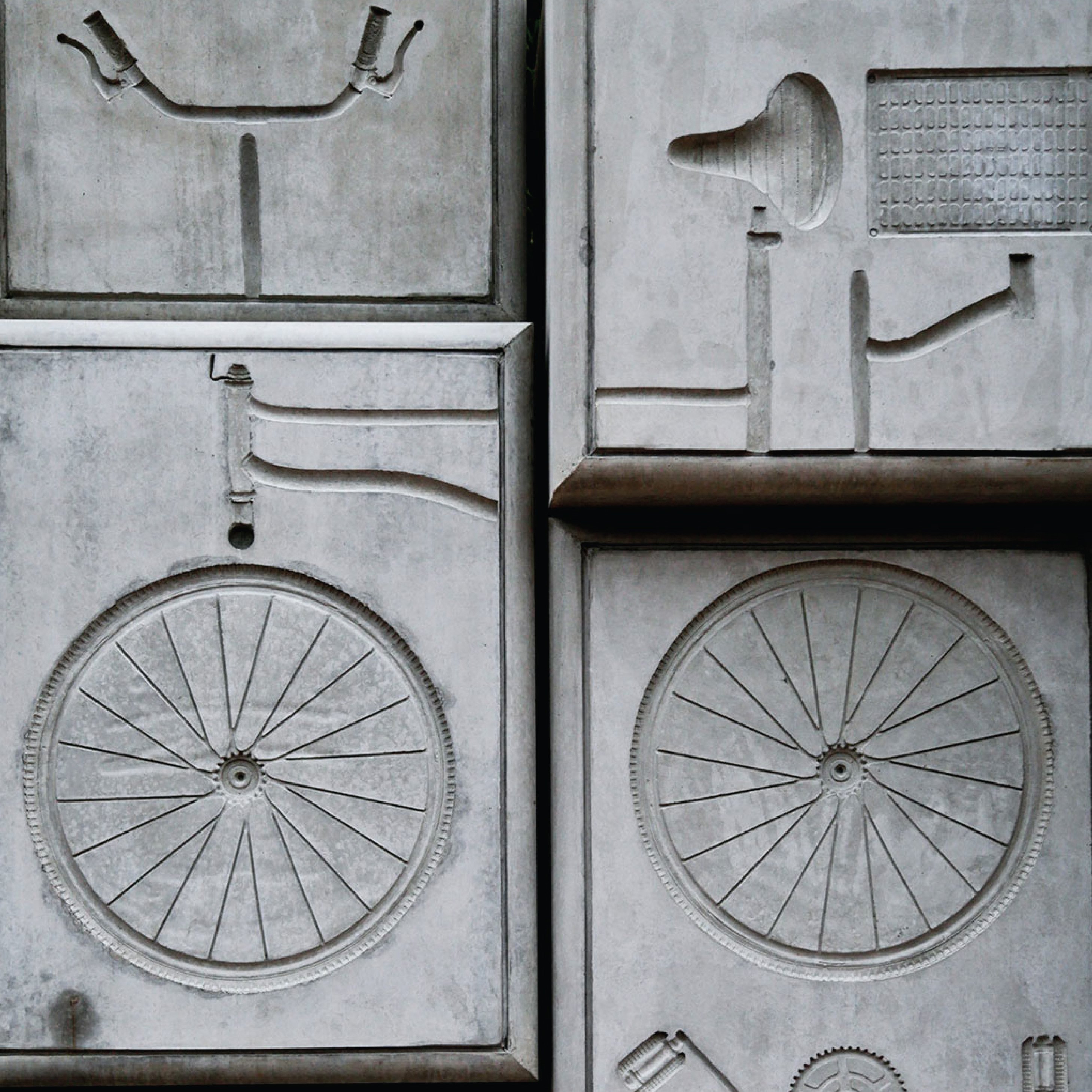
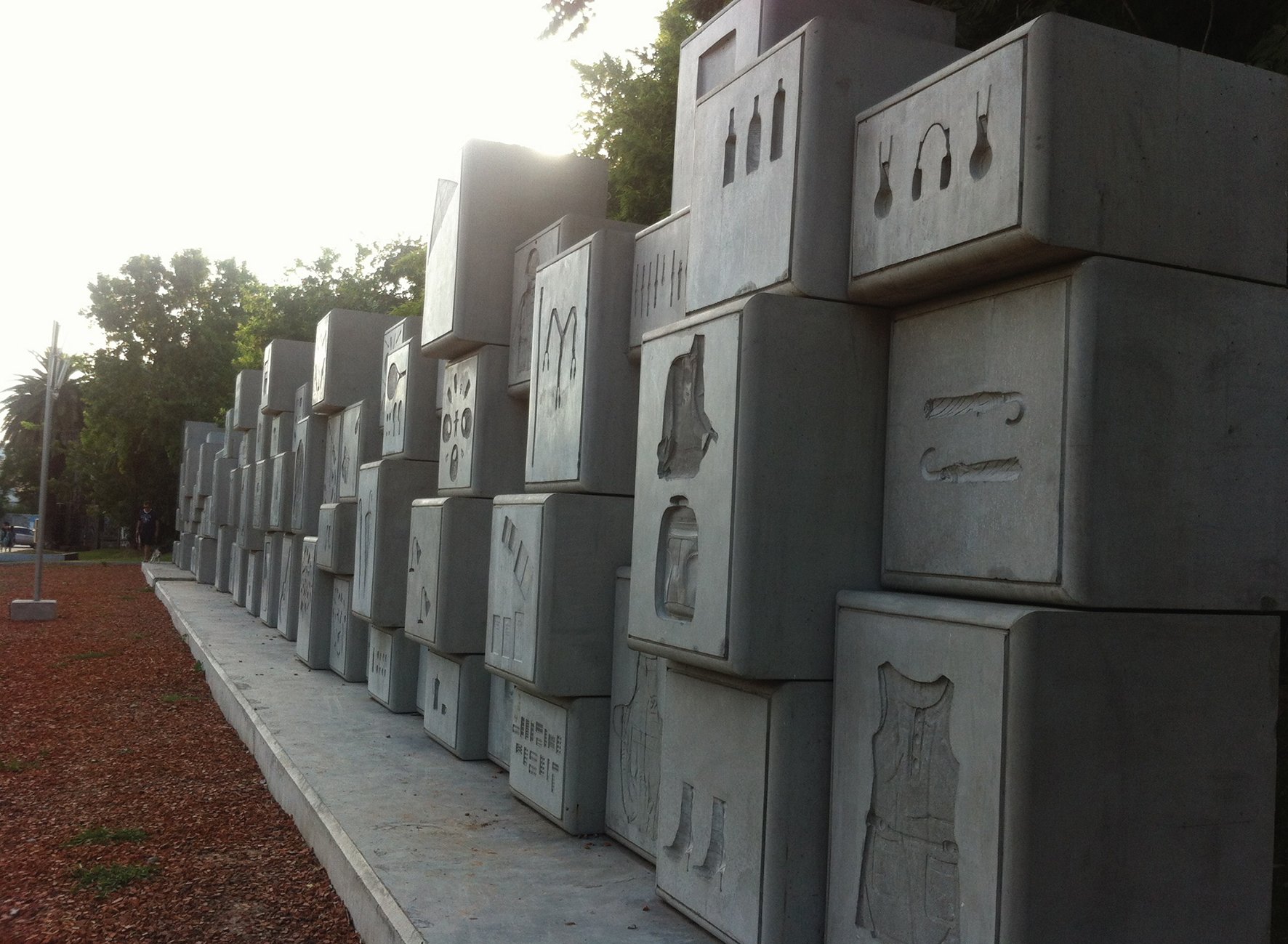
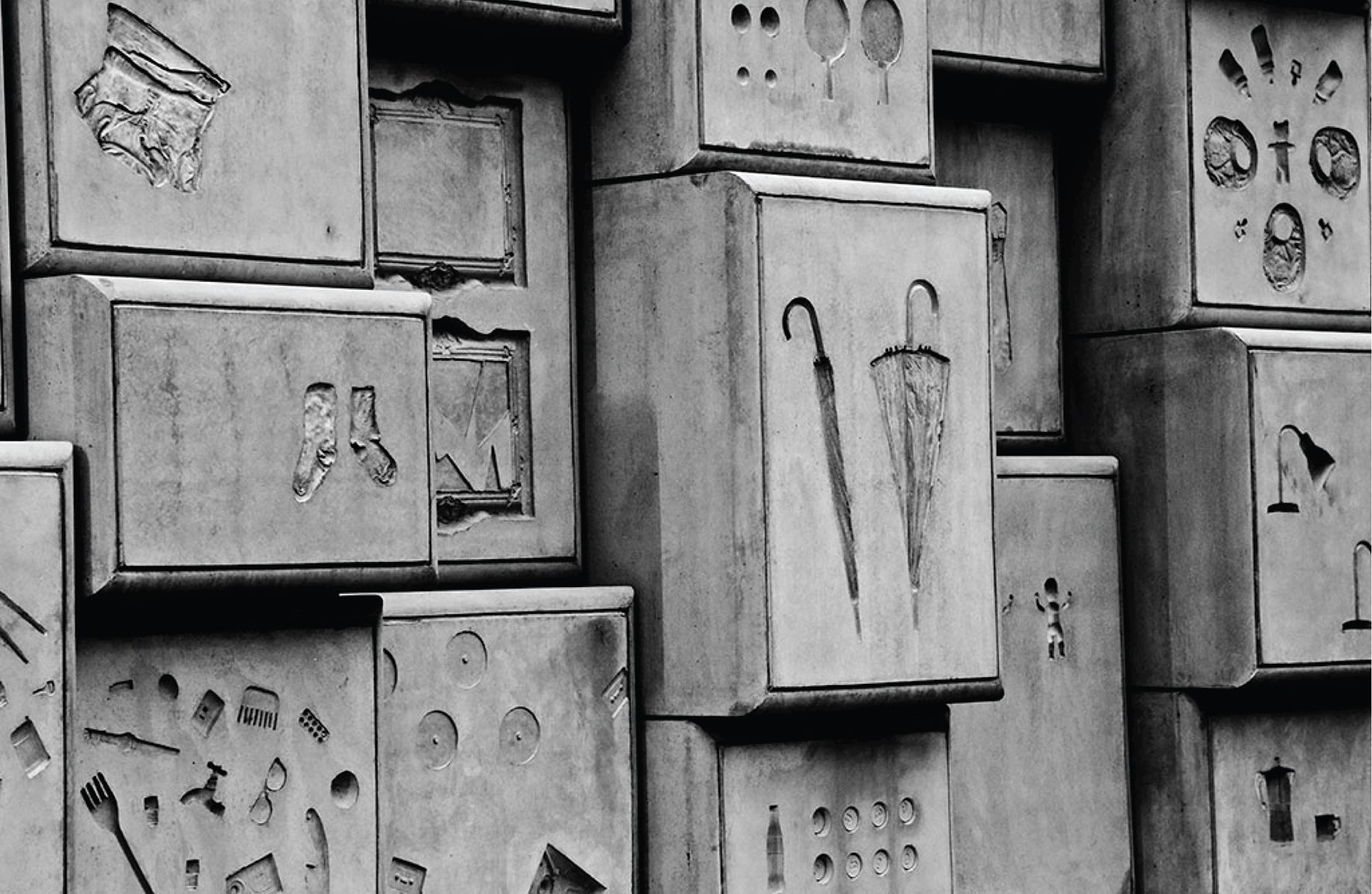
El monumento consiste en una pared de 40 metros de longitud y 4 metros de alto compuesto por 114 bloques de concreto. Cada bloque tiene impregnado en bajo relieve un objeto de la vida cotidiana, estos bajos relieves representan la ausencia del ser humano a modo de fósiles urbanos.
El desafío era poder plasmar la idea inicial de los arquitectos de manera que tuviera la sensibilidad buscada pero que a su vez pudiera ser fabricado en hormigón para que perdurara en el tiempo.
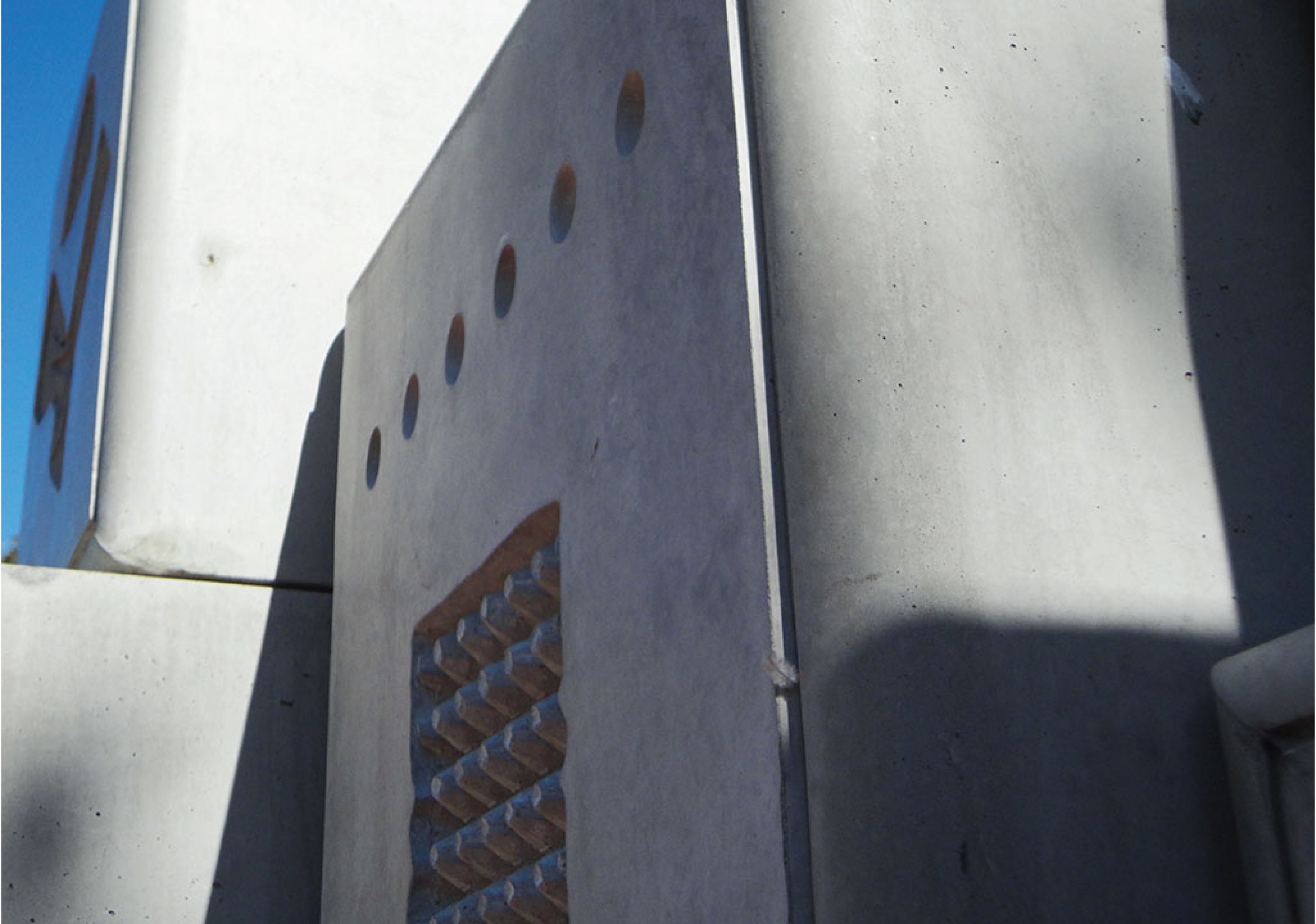
Se diseñó el proceso que consistía en recolectar todos los objetos que donaba la gente, estos se retocababan de manera tal que se pudiera sacar un molde en yeso o alginato. A partir de estos moldes se sacaban copias en silicona que se usaban como base de la matriz del encofrado para los pre moldeados de concreto. Como resultado del proceso se obtenía una copia perfecta en bajo relieve que permitía copiar todos los detalles y texturas del objeto. Cada premoldeado tenía uno o varios objetos dependiendo del tamaño y cada bloque debía ser distinto al otro.
Una vez producidos todos los bloques en fábrica se transportaron hasta el lugar de instalación y se ubicaron siguiendo un orden específico.
Realizadores: Arq. Gustavo Nielsen - Arq. Sebastian Marsiglia
Equipo de diseño: Diego González King - Valentín Cristiani - Bárbara Kaplan - Gustavo Marinic - Lorena Ihan - I-Hsiu Chen.
Diseño & Desarrollo de proceso productivo para la transferencia de objetos al hormigón.
Proyecto de los arquitectos Gustavo Nielsen y Sebastián Marsiglia en conmemoración a las víctimas del Holocausto Judío emplazado en la intersección de Av. del Libertador y Av. Bullrich.
En el año 2009 se llevó a cabo un concurso internacional impulsado por las embajadas de Israel y Alemania, el Museo de la Shoá, el Gobierno Nacional y el Gobierno de la Ciudad de Buenos Aires resultando el proyecto de Nielsen y Marsiglia ganador entre 70 proyectos.
En el año 2014 se inició la obra del monumento y se conformó un equipo de trabajo conformado por arquitectos y diseñadores industriales.
El monumento consiste en una pared de 40 metros de longitud y 4 metros de alto compuesto por 114 bloques de concreto. Cada bloque tiene impregnado en bajo relieve un objeto de la vida cotidiana, estos bajos relieves representan la ausencia del ser humano a modo de fósiles urbanos.
El desafío era poder plasmar la idea inicial de los arquitectos de manera que tuviera la sensibilidad buscada pero que a su vez pudiera ser fabricado en hormigón para que perdurara en el tiempo.
Se diseñó el proceso que consistía en recolectar todos los objetos que donaba la gente, estos se retocababan de manera tal que se pudiera sacar un molde en yeso o alginato. A partir de estos moldes se sacaban copias en silicona que se usaban como base de la matriz del encofrado para los pre moldeados de concreto. Como resultado del proceso se obtenía una copia perfecta en bajo relieve que permitía copiar todos los detalles y texturas del objeto. Cada premoldeado tenía uno o varios objetos dependiendo del tamaño y cada bloque debía ser distinto al otro.
Una vez producidos todos los bloques en fábrica se transportaron hasta el lugar de instalación y se ubicaron siguiendo un orden específico.
Realizadores: Arq. Gustavo Nielsen - Arq. Sebastian Marsiglia
Equipo de diseño: Diego González King - Valentín Cristiani - Bárbara Kaplan - Gustavo Marinic - Lorena Ihan - I-Hsiu Chen.



Contact us
" height="24px" id="Y_SogtFLR" width="23.998702773987908px"/></svg>)
" height="23.91171428571431px" id="eAEKng1cA" width="24px"/></svg>)
" height="24px" id="bloY09y18" width="24px"/></svg>)
" height="15.080483675527217px" id="P2vInqImQ" transform="translate(0 4)" width="23.999999787140037px"/></svg>)
Buenos Aires
Headquarters
Gonzalo Berro
gberro@grupoberro.com
+54 911 4579 5555
Laura García
lgarcia@grupoberro.com
+54 911 6542 4090
2005-2026 @ Berro Group
Contact us
Buenos Aires
Headquarters
Gonzalo Berro
gberro@grupoberro.com
+54 911 4579 5555
Laura García
lgarcia@grupoberro.com
+54 911 6542 4090
2005-2026 @ Berro Group
Contact us
Buenos Aires
Headquarters