Kikai Lab
Industrial Design
Kikai Lab
Industrial Design
Client
Kikai Lab
Service
Industrial Design
Year
2015
Design and Development of 3D Printing Machine
Generating the Link
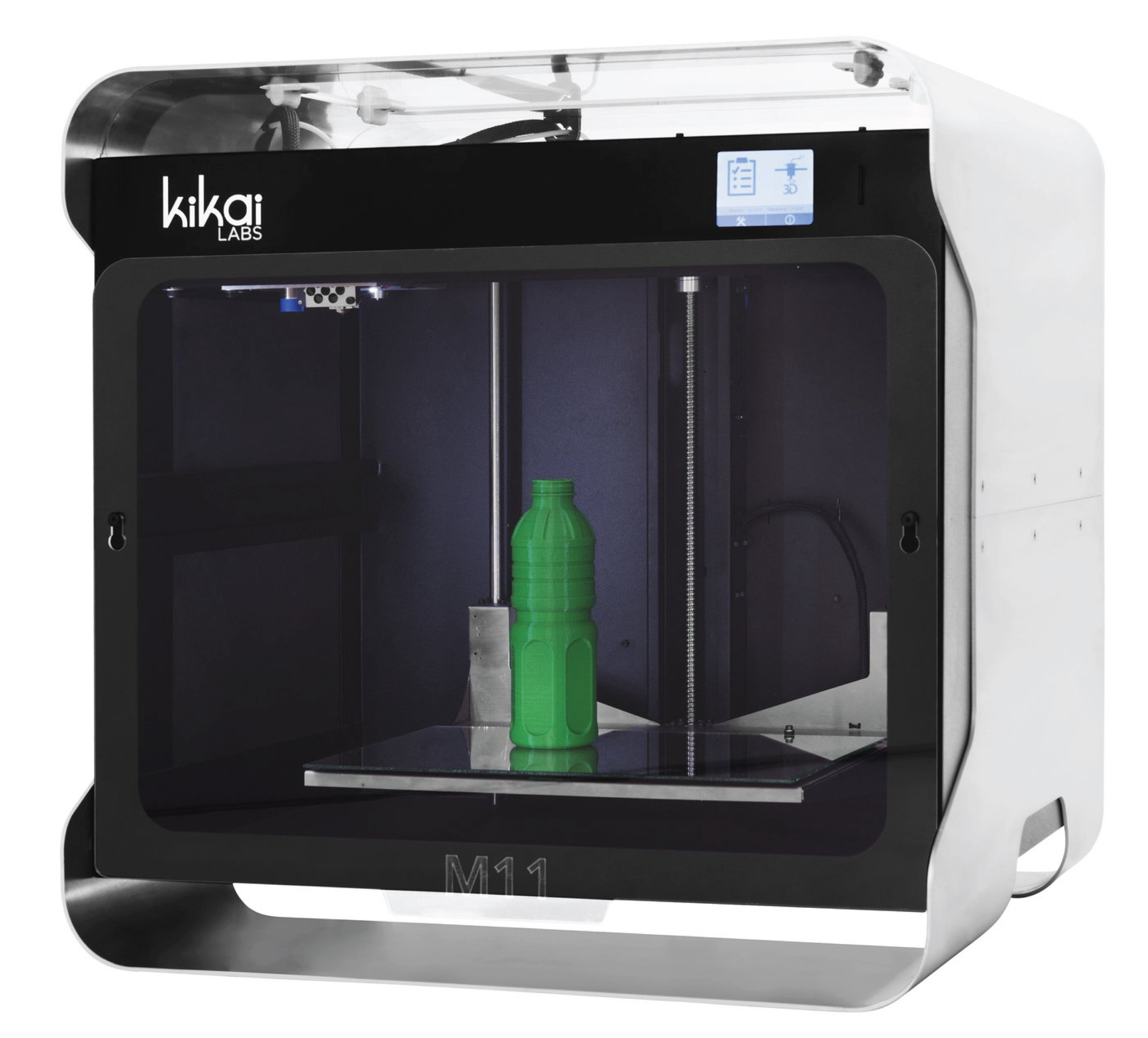
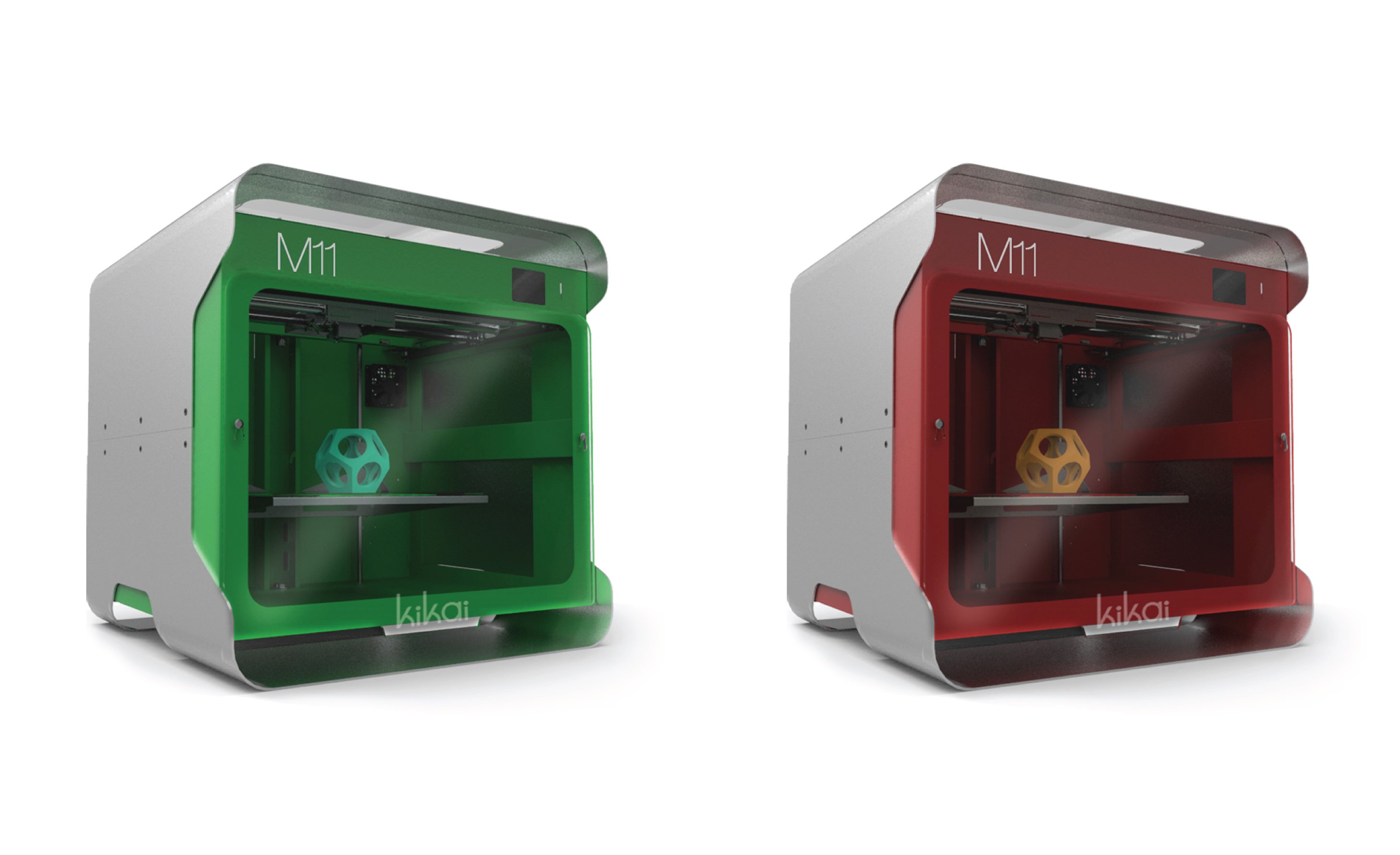
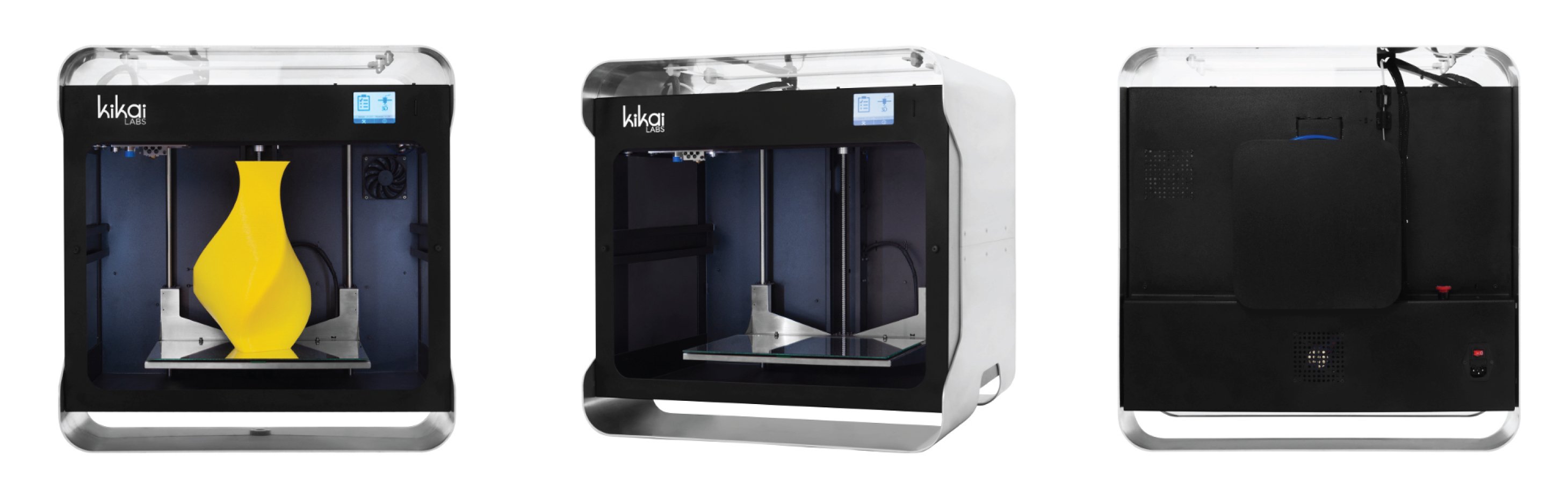
We approached Kikai Labs interested in the development of new technologies, with the proposal to design the new 3D printing machine. Kikai Labs, with extensive experience in the field, and having previously ventured into different designs, reaches an agreement for the hiring of Grupo Berro.
Kikai Labs
Kikai Labs is the brand name of Enterprise Objects Consulting SRL (“EOC”) for its division of 3D printer manufacturing. EOC is a systems development company established in 2004, with extensive experience in corporate information systems, with a strong emphasis on exporting its services. In 2011, on its own initiative, it began researching 3D printing and developing its own printer model, deciding to manufacture it and offer it in the local market, aimed at industry, education, and entrepreneurs.
Start
A series of meetings were established between the internal design team (Ing. Marcelo Ruiz Camauër and Damian Márquez) and the Grupo Berro team (D.I. Diego González King and D.I. Valentín Cristiani). The product guidelines were defined, and work was done on sketches and preliminary designs aiming to achieve an image of an industrial machine that could also fit into a studio, laboratory, or home.
Design Decisions
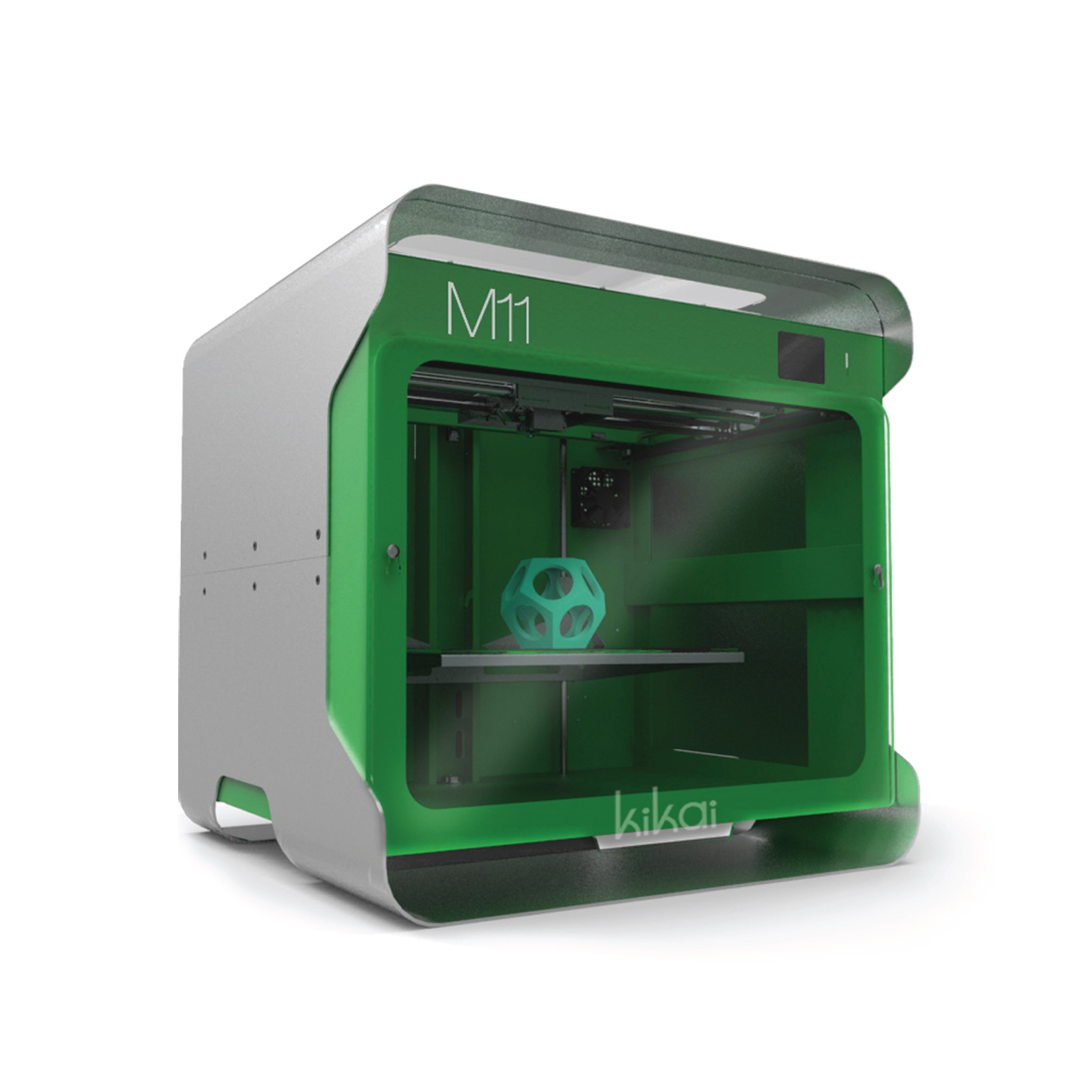
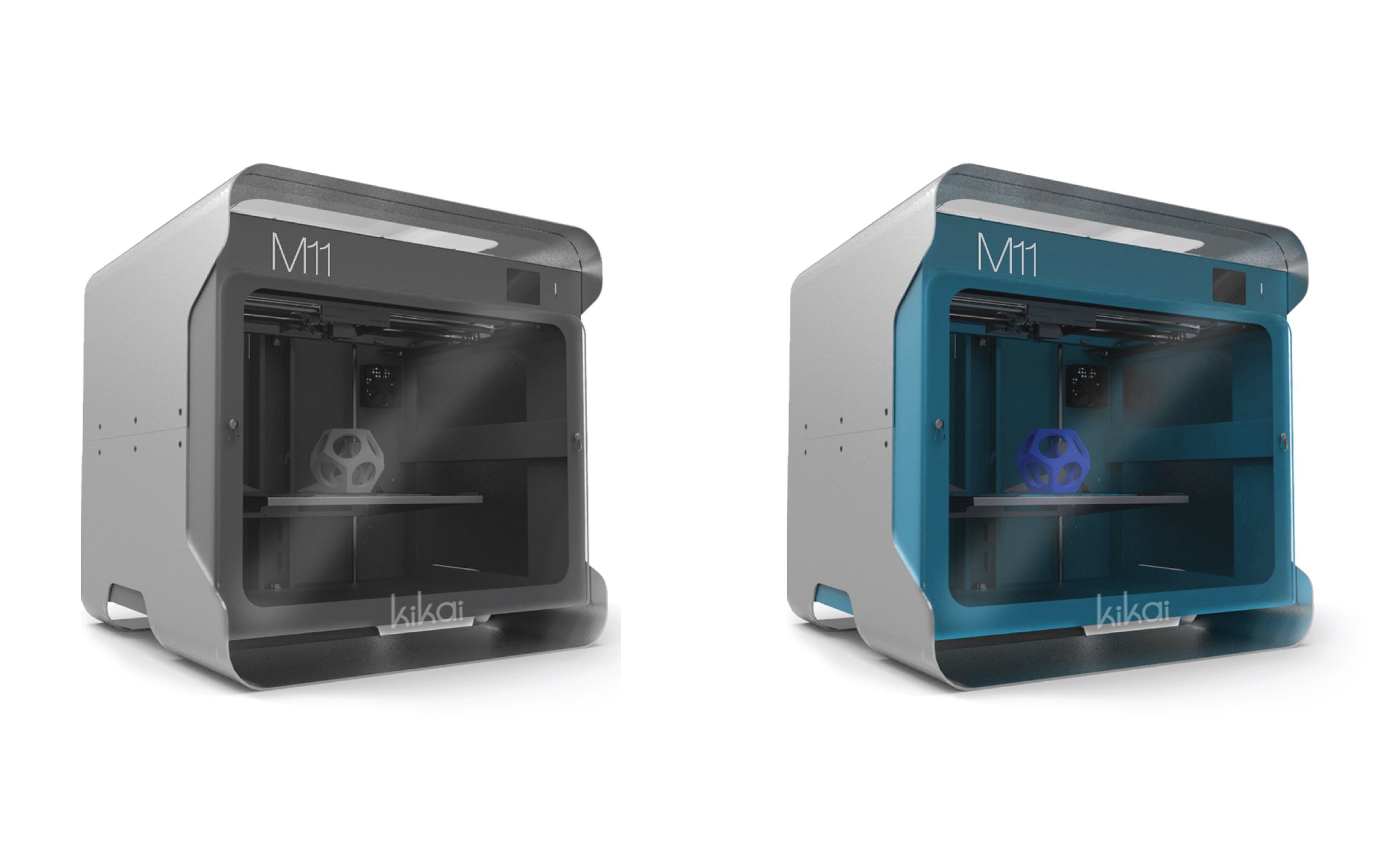
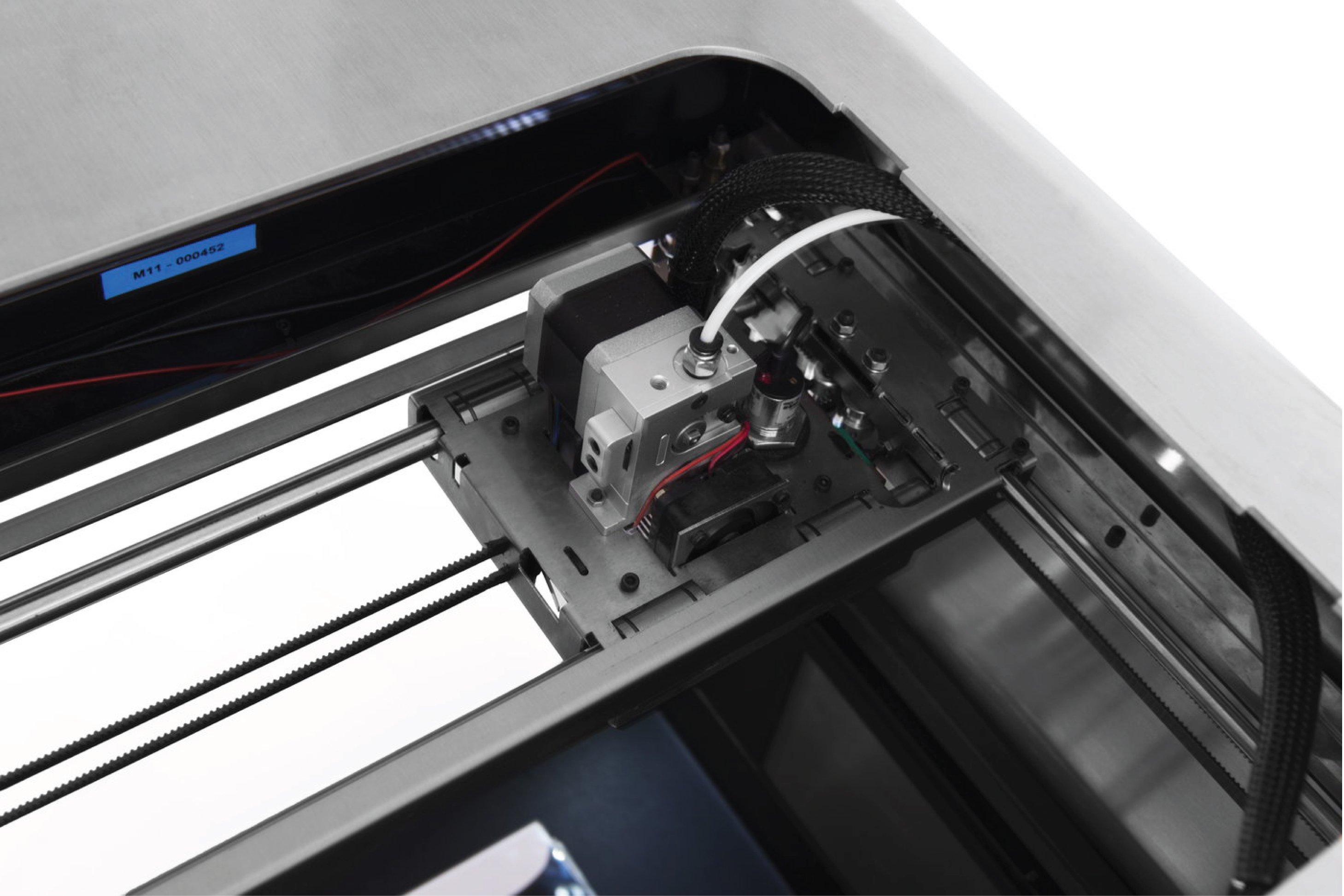
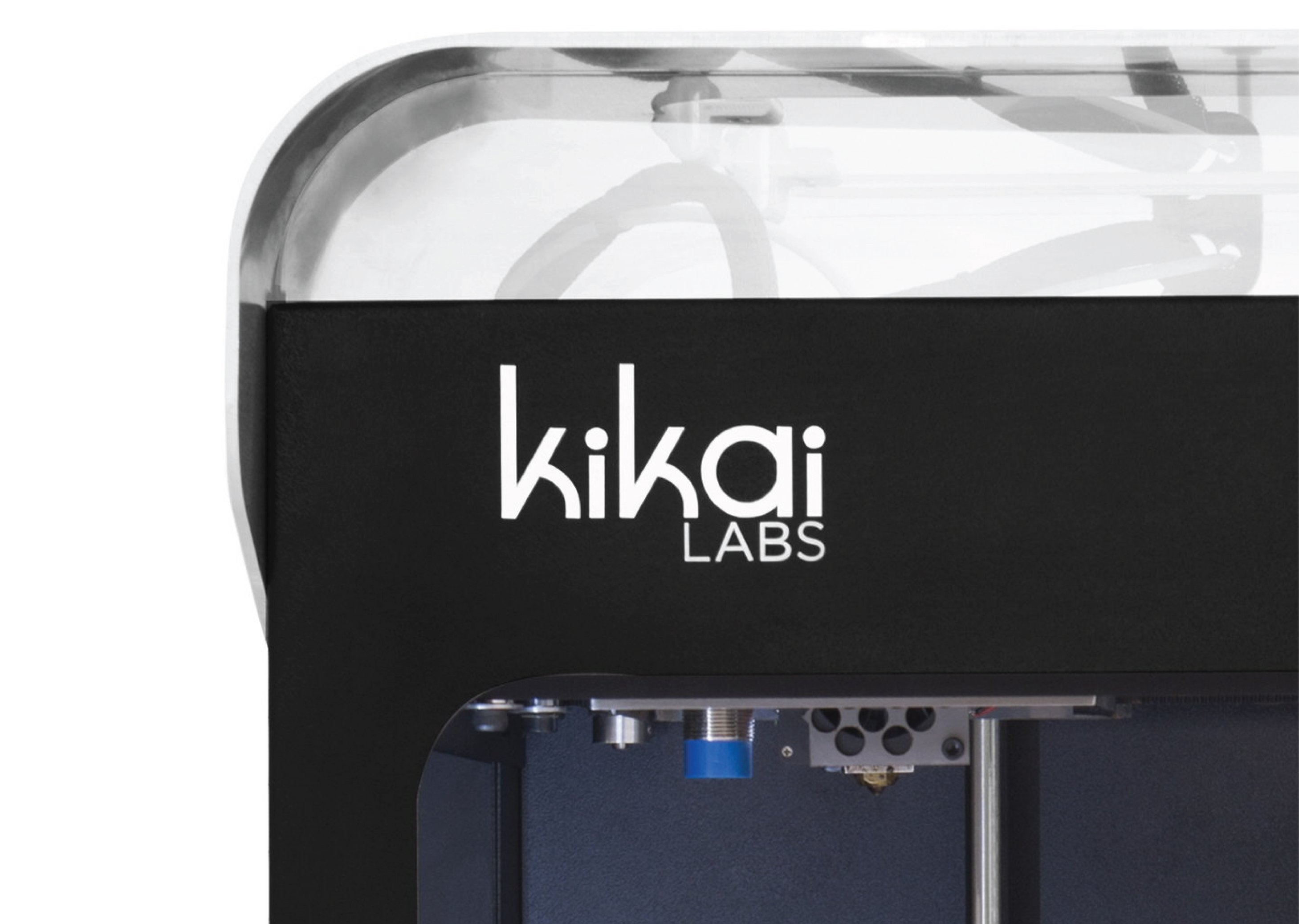
It was concluded that the equipment should be made from a core of steel sheet, laser-cut, bent, and welded. This not only enhances the equipment's resistance but also improves stability, preventing the machine from moving during prints. For the surface finish, powder-coated paint was chosen, providing good corrosion resistance and offering the possibility of different colors and textures. For the external casing, shot-blasted and anodized aluminum was chosen.
Production Processes
The product was developed in such a way that all processes for manufacturing the metal cabinet could be outsourced, and that the mechanical and electronic elements would be assembled internally, with adjustments and printing tests conducted. Finally, the actors involved in the production chain were selected, and a manual was generated with the necessary documentation for the company to continue with production management.
Design and Development of 3D Printing Machine
Generating the Link
We approached Kikai Labs interested in the development of new technologies, with the proposal to design the new 3D printing machine. Kikai Labs, with extensive experience in the field, and having previously ventured into different designs, reaches an agreement for the hiring of Grupo Berro.
Kikai Labs
Kikai Labs is the brand name of Enterprise Objects Consulting SRL (“EOC”) for its division of 3D printer manufacturing. EOC is a systems development company established in 2004, with extensive experience in corporate information systems, with a strong emphasis on exporting its services. In 2011, on its own initiative, it began researching 3D printing and developing its own printer model, deciding to manufacture it and offer it in the local market, aimed at industry, education, and entrepreneurs.
Start
A series of meetings were established between the internal design team (Ing. Marcelo Ruiz Camauër and Damian Márquez) and the Grupo Berro team (D.I. Diego González King and D.I. Valentín Cristiani). The product guidelines were defined, and work was done on sketches and preliminary designs aiming to achieve an image of an industrial machine that could also fit into a studio, laboratory, or home.
Design Decisions
It was concluded that the equipment should be made from a core of steel sheet, laser-cut, bent, and welded. This not only enhances the equipment's resistance but also improves stability, preventing the machine from moving during prints. For the surface finish, powder-coated paint was chosen, providing good corrosion resistance and offering the possibility of different colors and textures. For the external casing, shot-blasted and anodized aluminum was chosen.
Production Processes
The product was developed in such a way that all processes for manufacturing the metal cabinet could be outsourced, and that the mechanical and electronic elements would be assembled internally, with adjustments and printing tests conducted. Finally, the actors involved in the production chain were selected, and a manual was generated with the necessary documentation for the company to continue with production management.



Contact us
" height="24px" id="Y_SogtFLR" width="23.998702773987908px"/></svg>)
" height="23.91171428571431px" id="eAEKng1cA" width="24px"/></svg>)
" height="24px" id="bloY09y18" width="24px"/></svg>)
" height="15.080483675527217px" id="P2vInqImQ" transform="translate(0 4)" width="23.999999787140037px"/></svg>)
Buenos Aires
Headquarters
Gonzalo Berro
gberro@grupoberro.com
+54 911 4579 5555
Laura García
lgarcia@grupoberro.com
+54 911 6542 4090
2005-2026 @ Berro Group
Contact us
Buenos Aires
Headquarters
Gonzalo Berro
gberro@grupoberro.com
+54 911 4579 5555
Laura García
lgarcia@grupoberro.com
+54 911 6542 4090
2005-2026 @ Berro Group
Contact us
Buenos Aires
Headquarters